
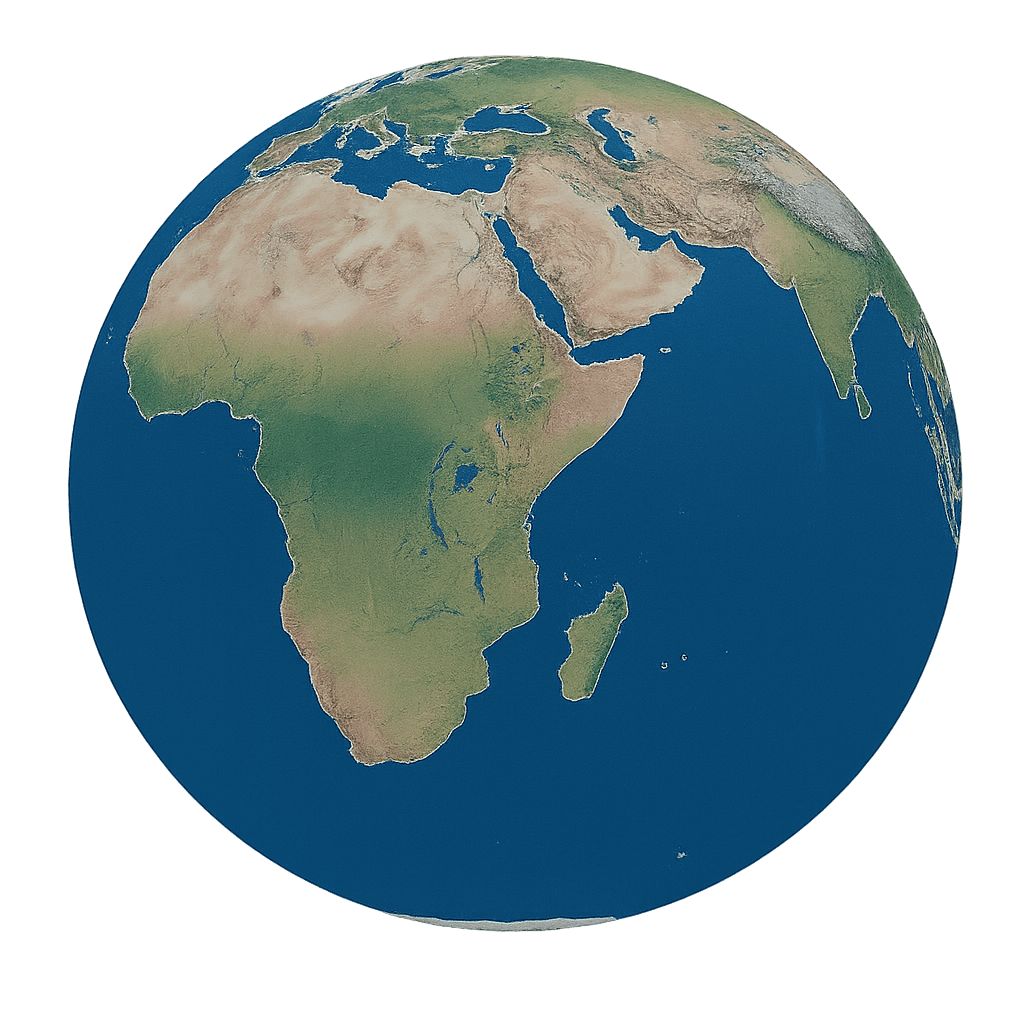
Space & Earth Observation: NASA shared a Sept. 5, 2026 image of a massive dust plume over Mali, likely linked to a haboob, with particles drifting toward the Atlantic—highlighting Mauritania’s role in West Africa’s dust belt. Ancient Science Buzz: Independent researcher Sefy Levy claims the Great Pyramid’s exterior dimensions encode astronomical cycles and math (moon, Sirius, pi/golden ratio), but the work is on SSRN/Zenodo and not peer reviewed. Energy & Industry: RAMINVEST HOLDING says its Wompou Gold Project in Mauritania is moving to first-pass drilling after assays up to 50.14 g/t and six priority targets (T-01 to T-06). Digital & Governance: A West Africa-focused report highlights the push to track public vehicles with real-time digital systems to cut fuel waste and improve accountability. Health & Society: Mauritania’s digital empowerment for women gets a spotlight via an ICESCO-linked conference on women leaders in the digital field. Maritime Security: Morocco joins multinational “Phoenix Express-2026” drills in Tunisia, using shared real-time data to counter illegal activity and protect sea lanes.
AGP Executive Report
Your go-to archive of top headlines, summarized for quick and easy reading.
Note: AI summary from news headlines; neutral sources weighted more to help reduce bias in the result. Feedback is welcome. Please let us know if you have any comments or suggestions about the AGP Executive Report.
Space & Climate Monitoring: NASA’s Terra/MODIS captured a massive West Africa dust plume over Mali on Sept. 5, with particles drifting toward the Atlantic as the region’s dust season winds down, linked to haboob activity. Local Science & Research: Mauritania’s University of Nouakchott opened an International Conference on Energy and Future Cities, bringing together 70+ researchers to discuss clean energy and how cities can cut pollution. Energy Transition & Finance: Mauritania’s Petroleum and Energy Minister joined a Houston roundtable on financing the energy transition, highlighting green hydrogen plans and the need to solve major logistics barriers. Mining Tech (Mauritania): RAMINVEST HOLDING advanced gold exploration at the Wompou Project after assays up to 50.14 g/t, defining six first-pass drill targets (T-01 to T-06) and using arsenic as a pathfinder. Digital Governance (Regional): A Kenya-led push to track government fleets via a centralized digital system spotlights a wider West/East Africa problem: vehicle and fuel use often goes unmeasured. Maritime Security: Morocco participated in Exercise Phoenix Express-2026, using shared real-time data and joint drills to detect and deter illegal activity at sea. Public Health & Digital Inclusion: ICESCO-backed efforts in Mauritania focus on empowering women leaders in the digital field, aiming to expand access and skills.
Space & Earth Observation: NASA’s Terra/MODIS captured a huge West African dust plume over Mali on Sept. 5, 2026, likely linked to a haboob, with particles drifting toward the Atlantic—highlighting Mauritania’s role in regional dust sources like El Djouf. Security & Trade Risks: A Russian-flagged, US/EU/UK-sanctioned cargo ship, Lady Mariia, was hit by drones off Africa on Sept. 6, raising fears that the Russia-Ukraine conflict could spill into African coastal routes. Archaeology Meets Math Claims: Independent researcher Sefy Levy says Great Pyramid exterior measurements encode astronomical cycles and constants, but the work is not peer reviewed—so it’s more speculative “memory hypothesis” than settled science. Local Tech for Accountability: Kenya announced a digital Government Vehicle Management System to track state fleets in real time—an approach Mauritania and neighbors could watch as a model for reducing waste. Energy & Industry: Mauritania’s RAMINVEST HOLDING advanced Wompou Gold exploration after assays up to 50.14 g/t and defined six first-pass drill targets. Digital Skills for Women: ICESCO-backed conference in Mauritania focused on boosting women’s access to the digital industry and sharing best practices. Clean Energy Research: Nouakchott hosted the International Conference on Energy and Future Cities, bringing researchers together on clean energy for urban use.
Great Pyramid “Code” Claim: Independent researcher Sefy Levy says the Great Pyramid’s exterior dimensions form a numerical system tied to moon, stars and math, but the paper on SSRN/Zenodo is not peer reviewed, so Egyptology treats it as speculative. Mauritania Energy & Research: Nouakchott hosted the 10th International Conference on Energy and Future Cities, bringing together regional and international experts on clean energy for urban use. Gold Exploration in Mauritania: RAMINVEST HOLDING advanced Wompou with first-pass drill testing targets T-01 to T-06 after assays up to 50.14 g/t gold, using arsenic as a pathfinder. Women in Digital Fields: Mauritania’s First Lady opened an ICESCO conference on empowering women leaders in the digital sector, aiming to boost access and skills across the Islamic world. Sahel Aid Coordination: A SIPRI policy brief argues donors should fund coordinated humanitarian-development-peace outcomes rather than working in separate silos, citing Mauritania and neighbors in the Sahel Resilience Partnership. Public Health & Misinformation: Africa CDC highlights the danger of rumors during outbreaks, pointing to how misinformation can trigger deadly incidents.

Mauritania Energy & Research: The University of Nouakchott’s Faculty of Science and Technology opened an international conference on “Energy and Future Cities,” bringing together 70+ professors and researchers to discuss clean energy for urban life. Gold Exploration in Mauritania: RAMINVEST HOLDING advanced its Wompou Gold Project with first-pass drill testing targets T-01 to T-06 after sampling returned assays up to 50.14 g/t gold, supported by arsenic-gold correlation work. Energy Transition Funding: Mauritania’s Minister of Petroleum and Energy joined a Houston roundtable on financing the energy transition, highlighting green hydrogen plans and the need to mobilize funding and solve logistics hurdles. Digital Skills for Women: Mauritania’s First Lady oversaw an ICESCO-backed conference on empowering women leaders in the digital field, focused on improving access to the digital industry and sharing best practices. Science & Space Curiosity (Global): A new, not-yet-peer-reviewed theory claims the Great Pyramid’s measurements encode astronomical and mathematical cycles—an attention-grabber for science readers, even if it’s speculative. Environment & Climate (Regional): NASA imagery and reporting highlighted a major West African dust storm, with Mauritania and Mali flagged as key dust sources.
Mauritania Tech & Science Roundup: Archaeology Meets Math: A new, not-yet-peer-reviewed theory claims the Great Pyramid of Giza encodes a numerical “memory” tied to lunar and stellar cycles, sparking fresh debate on how ancient Egyptians may have embedded astronomy into the monument’s proportions. Local Earth Science: Mauritania’s Richat Structure (Eye of the Sahara) is back in focus as a major natural feature seen clearly from space, with researchers pointing to its ring geology and long-running origin questions. Energy & Industry: Mauritania’s energy transition stays in the spotlight as the Minister of Petroleum and Energy discusses financing for fair, equitable clean power—especially green hydrogen—while regional gas leaders push from discovery to commercialization ahead of major forums. Gold Exploration: RAMINVEST HOLDING advances drilling planning at Mauritania’s Wompou Gold Project after assays reported up to 50.14 g/t and six priority targets for first-pass testing. Digital Skills for Women: ICESCO-related events highlight efforts to expand women’s access to the digital field, with Mauritania’s leadership involved in conference work. Culture & Research Links: Mauritania’s higher education minister meets an Italian delegation to strengthen cooperation in higher education and scientific research.
Energy & Climate Policy: Mauritania’s Minister of Petroleum and Energy joined a Houston roundtable on financing a fair energy transition, highlighting green hydrogen plans and the need to unlock funding and solve logistics. Research & Education: The 10th International Conference on Energy and Future Cities opened in Nouakchott, bringing together regional and international experts to discuss clean energy for urban life. Gold Exploration: RAMINVEST HOLDING advanced Mauritania’s Wompou Gold Project after sampling returned up to 50.14 g/t gold and defined six priority drill targets (T-01 to T-06). Public Health Tech: Africa CDC advanced a continental Behavioural Intelligence and Infodemic Management framework, with Mauritania among six countries validating how social and community data can guide outbreak and immunisation decisions. Digital Inclusion for Women: In Nouakchott, the First Lady oversaw an ICESCO conference on empowering women leaders in the digital field, focused on access to the digital industry and sharing best practices. Science in the Sky: NASA Earth Observatory captured a massive West African dust storm over Mali, with Mauritania’s El Djouf region flagged as a major dust source. Governance & Accountability Tech: West African governments are moving toward tracking public vehicles digitally, aiming to curb fuel waste and misuse. Maritime Security: Morocco took part in multinational Exercise Phoenix Express-2026 in Tunisia, using shared real-time data to detect and deter illegal activities at sea.
Digital Governance: Kenya announced a Government Vehicle Management System, a centralised digital platform to track state vehicles in real time—drivers, fuel use, mileage and maintenance—aiming to stop the long-standing “hand out and forget” fleet problem seen across parts of West and East Africa. Mining & Geoscience: RAMINVEST HOLDING says its Wompou Gold Project in Mauritania is moving to first-pass drilling after sampling returned up to 50.14 g/t gold and defined six priority drill targets (T-01 to T-06), using arsenic-gold correlation to guide the next phase. Science & Research in Mauritania: The University of Nouakchott’s Faculty of Science and Technology launched an international conference on energy and future cities, bringing together regional and international researchers to discuss clean energy for urban use. Public Health Data: Africa CDC and participating countries, including Mauritania, advanced a Behavioural Intelligence and Infodemic Management framework to better use community and information signals for outbreak response and health service uptake. Energy Transition Finance: Mauritania’s Minister of Petroleum and Energy joined a GasTech roundtable in Houston focused on funding an equitable energy transition, highlighting Mauritania’s green hydrogen ambitions. Regional Tech & Security: Morocco joined Exercise Phoenix Express-2026 in Tunisia, using integrated land-and-sea operations to share real-time maritime data and counter illegal activities.
Mauritania Energy & Research: The 10th International Conference on Energy and Future Cities opened in Nouakchott, bringing together 70+ professors and researchers to discuss clean energy and how cities can cut pollution. Public Health Data for Outbreaks: Africa CDC and six countries, including Mauritania, advanced a Behavioural Intelligence and Infodemic Management framework to better use community feedback and social information in disease response. Energy Transition Funding: Mauritania’s Minister of Petroleum and Energy joined a Houston roundtable on financing a fair energy transition, highlighting Mauritania’s green hydrogen push and the need to unlock investment. Digital Skills for Women: ICESCO’s conference on empowering women leaders in the digital field was supervised in Nouakchott by the First Lady, focusing on access to the digital industry and best practices. Regional Gas Momentum: Coverage points to the MSGBC Basin moving from discovery to delivery, with the Greater Tortue Ahmeyim project (Senegal–Mauritania) already producing gas and LNG and supporting new domestic markets. Coastal Climate Pressure: A Harvard study warns West African coastlines are eroding fast—up to 30 feet per year—raising questions about whether hard coastal defenses help one community by harming another. Maritime Security Tech: Morocco joined the multinational “Phoenix Express-2026” exercise in Tunisia, using shared real-time data and joint drills to detect and deter illegal activity at sea.
Energy Transition Funding: Mauritania’s Minister of Petroleum and Energy joined a Houston roundtable on financing a fair energy transition, highlighting green hydrogen plans and the need to unlock investment while tackling shared logistics. Digital Skills for Women: Nouakchott hosted an ICESCO-backed international conference on empowering women leaders in the digital field, with the First Lady calling for stronger access to the digital industry and shared best practices. Research & Clean Energy: The University of Nouakchott’s Faculty of Science and Technology opened an international conference on energy and future cities, bringing together regional researchers to discuss clean energy for urban use. Public Health Data for Outbreaks: Africa CDC advanced a continental behavioural intelligence and infodemic management framework, with Mauritania among countries validating how community and information signals can guide outbreak and immunisation decisions. Gas Project Execution: The MSGBC Basin focus shifted to scaling gas and LNG across West Africa, spotlighting Mauritania–Senegal’s GTA progress and next steps for regional gas hubs. Higher Education Cooperation: Mauritania’s Higher Education Minister met an Italian delegation to strengthen collaboration in higher education and scientific research. Women’s Health Access: A new mobile Women’s Health Van initiative launched to bring products, education, and healthcare support directly into underserved communities.
Sahel Aid Coordination: A SIPRI brief says Sahel resilience efforts fail when humanitarian, development, and peacebuilding programmes run in silos, urging donors to fund collective outcomes across Burkina Faso, Chad, Mali, Mauritania, and Niger. Energy Transition Funding: Mauritania’s Petroleum and Energy Minister joined a GasTech-linked roundtable in Houston, calling for fair financing to scale green hydrogen and renewables, while flagging shared logistics hurdles. Digital Skills for Women: In Nouakchott, the First Lady opened an ICESCO conference on empowering women leaders in the digital field, focusing on access to the digital industry and sharing best practices. Clean Energy Research in Nouakchott: The University of Nouakchott’s Faculty of Science and Technology launched an international conference on clean energies and future cities, bringing together regional and international researchers. Public Health Data for Outbreaks: Africa CDC advanced a continental behavioural intelligence and infodemic management framework, with Mauritania among countries validating how social and community information can guide health decisions. Gas Market Execution: Coverage highlights the MSGBC Basin shift from discoveries to delivery, spotlighting the GTA project’s first gas/LNG milestones and investor focus for regional LNG and infrastructure.
Energy Transition Finance: Mauritania’s Minister of Petroleum and Energy, Mohamed Ould Khaled, joined a GasTech roundtable in Houston on funding a fair energy transition, urging support for Mauritania’s green hydrogen plans and citing the country’s stability and renewable potential. Digital Skills for Women: In Nouakchott, the First Lady Dr. Mariem Fadhel Dah opened an ICESCO-backed international conference on empowering women leaders in the digital field, focusing on access to digital industry and sharing best practices. Public Health Preparedness: Africa CDC convened a North Africa workshop in Nouakchott where the Sahrawi Republic took part in plans to strengthen and harmonize regional surveillance and laboratory networks, improve national lab support, and boost information sharing for faster epidemic response. Energy & Cities Research: The University of Nouakchott launched the 10th International Conference on Energy and Future Cities, bringing together researchers to discuss clean energy for urban futures. Higher Education Cooperation: Mauritania’s Higher Education Minister Yacoub Ould Moine met an Italian delegation to deepen collaboration in higher education and scientific research. Tech & Health Data: Africa CDC also advanced a continental behavioural intelligence and infodemic management framework, with Mauritania among participating countries to improve how public health decisions use community and information signals.
Diplomacy: Mauritania’s Foreign Minister Mohamed Salem Ould Merzoug met Saudi Deputy FM Engineer Waleed Bin Abdulkarim El-Khereiji in Cairo, reviewing bilateral ties and regional issues. Public Health Tech: Africa CDC is pushing a Behavioural Intelligence and Infodemic Management framework, with Mauritania among six countries validating how to turn community and information signals into outbreak decisions. Health Emergency Response: The Sahrawi Republic joined an Africa CDC workshop in Nouakchott to harmonize regional surveillance and laboratory networks, strengthen national lab support, and improve information sharing. Energy & Cities Research: Nouakchott hosted the 10th International Conference on Energy and Future Cities, bringing together researchers on clean energy for urban use. Higher Education & Science: Mauritania’s Higher Education Minister Yacoub Ould Moine met an Italian delegation to expand cooperation in higher education and scientific research. Connectivity Costs: A Broadband Genie study ranked the UK 46th globally for average mobile broadband cost at $0.27 per 1GB, a reminder of how pricing affects access to digital services. Security Cooperation: Mauritania’s National Security DG Mohamed Lahritani met the UAE drug enforcement chair to boost anti-drug and cross-border crime coordination using modern tools and shared intelligence.
Energy & Cities: Nouakchott hosted the 10th International Conference on Energy and Future Cities, bringing together 70+ researchers and professors to push clean energy ideas for urban life. Public Health Tech: Africa CDC and partners ran a North Africa workshop in Nouakchott with Mauritania and others to harmonize a regional surveillance and laboratory network, improve lab support, and set up better information sharing for faster outbreak response. Higher Education Research Links: Mauritania’s Higher Education and Scientific Research Minister Yacoub Ould Moine met an Italian delegation to strengthen cooperation in higher education and scientific research. Security Cooperation (Drugs): In Abu Dhabi, Mauritania’s National Security DG met the head of the UAE drug enforcement authority to boost cross-border coordination against drug and psychotropic trafficking, including use of modern tools and shared crime-pattern info. Sahara Health Response: The Sahrawi Republic joined the same Nouakchott workshop to support public health emergency response planning and surveillance capacity building.
Higher Education & Research: Mauritania’s Minister of Higher Education and Scientific Research, Yacoub Ould Moine, met an Italian delegation in Nouakchott to boost cooperation in higher education and scientific research. Public Health Systems: Africa CDC and participating countries, including Mauritania, are harmonising a Behavioural Intelligence and Infodemic Management framework to strengthen how social and community information feeds outbreak decisions and lab support. Gas & LNG Investment: The MSGBC Basin focus is shifting to execution, with Mauritania and Senegal pushing the Greater Tortue Ahmeyim LNG ramp-up and new domestic gas plans like Mauritania’s BirAllah. Health Emergency Preparedness: The Sahrawi Republic joined a Nouakchott workshop to strengthen North Africa’s regional surveillance and laboratory network, plus national public health institutes. Security Tech & Cross-border Crime: Mauritania’s National Security chief met the UAE drug enforcement authority to discuss modern tools and information-sharing against evolving drug trafficking methods. Agriculture Tech Cooperation: Mauritania’s economy and finance minister met FAO leadership in Rome to review technical support, scientific studies, and investment preparation for agriculture, livestock, and fishing.
Higher Education & Research: Mauritania’s Minister of Higher Education and Scientific Research, Yacoub Ould Moine, met an Italian delegation in Nouakchott to discuss boosting cooperation in higher education and scientific research. Public Health Systems: Africa CDC and participating countries including Mauritania are harmonising a Behavioural Intelligence and Infodemic Management framework, aiming to strengthen how social and information data feed public health decisions. Regional Health Emergency Capacity: The Sahrawi Republic joined an Africa CDC workshop in Nouakchott on accelerating and harmonising the Regional Integrated Surveillance and Laboratory Network (RISLENT), with a focus on lab support, surveillance gaps, and information sharing. Energy & Gas Execution: The MSGBC Basin is shifting from discovery to delivery, with Mauritania and Senegal pushing gas and LNG projects like GTA, while investors look ahead to further regional infrastructure. Anti-Drug Cooperation: Mauritania’s National Security DG met the head of the UAE National Drug Enforcement Authority to strengthen cross-border coordination against drug and psychotropic trafficking, including use of modern technologies. Tech & Industry (Energy Training): Mauritania’s energy minister met Algerian firms Sonatrach and Sonelgaz, agreeing on cooperation in exploration, research and extraction, plus training for Mauritanian engineers.
Higher Education & Research: Mauritania’s Minister of Higher Education and Scientific Research, Yacoub Ould Moine, met an Italian delegation in Nouakchott to boost cooperation in higher education and scientific research. Public Health Systems: Africa CDC and participating countries including Mauritania are harmonising a North Africa plan to strengthen the Regional Integrated Surveillance and Laboratory Network (RISLENT), improve national lab support, and set up better information sharing for faster outbreak response. Energy & Gas Execution: The MSGBC Basin is shifting from discovery to delivery, with Mauritania and Senegal pushing gas and LNG hubs around the Greater Tortue Ahmeyim project, while Mauritania advances BirAllah and Senegal progresses Yakaar-Teranga. Security Tech & Training: Mauritania’s National Security DG met the head of the UAE drug enforcement authority to strengthen cross-border anti-drug cooperation, including modern technology and information exchange against evolving trafficking methods. Agriculture & Science: Mauritania’s economy and finance minister met FAO’s director-general in Rome, highlighting cooperation on agriculture, animal development, fishing, and technical studies to prepare new investments. Regional Health Infrastructure: The Sahrawi Republic joined a Nouakchott workshop on public health emergency response, focusing on surveillance, laboratory capacity, and building national public health institutes. Energy Cooperation with Algeria: Mauritania’s energy minister held talks with Algerian firms Sonatrach and Sonelgaz on hydrocarbon collaboration, exploration and research, and training programmes for Mauritanian engineers.
Public Health & Labs: Africa CDC and six countries, including Mauritania, validated a Behavioural Intelligence and Infodemic Management framework to better use community feedback, social listening and lab-linked surveillance for faster outbreak and immunisation decisions. Regional Health Preparedness: Mauritania’s capital Nouakchott hosted a North Africa workshop where the Sahrawi Republic joined efforts to harmonise the Regional Integrated Surveillance and Laboratory Network (RISLENT), strengthen national labs and improve information sharing. Energy & Gas Execution: The MSGBC Basin focus shifts from discoveries to delivery, with Mauritania and Senegal pushing LNG momentum from the Greater Tortue Ahmeyim project while planning further gas developments. Security Tech & Drug Control: Mauritania’s National Security DG met UAE drug enforcement leadership to boost cross-border monitoring, modern tech capabilities and information exchange against trafficking networks. Energy Training & Research: Mauritania’s energy minister held talks with Algeria’s Sonatrach and Sonelgaz, agreeing on exploration/research cooperation and engineer training programmes. Maritime Oversight: Reporting warns Russia’s sanctioned “shadow fleet” exploits weak African shipping registries to evade oil sanctions. Tech/Industry Deal: Casablanca Stock Exchange notified Morocco’s Competition Council of a plan to take exclusive control of software firm NT Soft, covering finance, insurance and pharma systems.
Public Health Tech: Africa CDC and six countries, including Mauritania, validated a Behavioural Intelligence and Infodemic Management (BIIM) framework to better use community feedback, social listening, and lab/surveillance data for faster outbreak and immunisation decisions. Energy & Industry: The MSGBC Basin is shifting from discovery to delivery, with Mauritania and Senegal pushing gas/LNG momentum around the Greater Tortue Ahmeyim project and new investment focus ahead of African Energy Week. Health Emergency Capacity: A North Africa workshop in Nouakchott aims to harmonise the Regional Integrated Surveillance and Laboratory Network (RISLENT), strengthen national labs, and improve information sharing for early disease detection. Security & Tech for Drugs: Mauritania’s National Security chief met UAE drug enforcement leadership to boost cross-border monitoring and use modern tools against evolving drug trafficking methods. Energy Cooperation: Mauritania’s energy minister discussed hydrocarbon exploration and research with Algeria and agreed training for Mauritanian engineers at Algerian petroleum institutes. Maritime Risk & Sanctions: Reporting highlights how Russia’s “shadow fleet” exploits weak African shipping registries to keep exporting oil despite sanctions. Science for Agriculture: Mauritania’s finance minister met FAO leadership to review cooperation on technical support, scientific studies, and investment preparation in agriculture, livestock, and fisheries.
Public Health & Data Systems: Africa CDC and six countries including Mauritania validated a Behavioural Intelligence and Infodemic Management (BIIM) framework in Mombasa, aiming to harmonise how community feedback, social listening and rapid research feed into outbreak and immunisation decisions. Energy Investment: The MSGBC Basin is shifting from discovery to execution, with Mauritania–Senegal’s GTA already producing gas and LNG and investors eyeing the next steps for regional gas and LNG infrastructure. Security Tech & Health Response: Mauritania’s security leadership met UAE drug enforcement officials to boost cross-border coordination, with a focus on evolving trafficking methods and using modern technologies. Regional Health Preparedness: The Sahrawi Republic joined a Nouakchott workshop on strengthening and harmonising the Regional Integrated Surveillance and Laboratory Network (RISLENT), including lab support and information sharing. Energy Cooperation: Mauritania’s energy minister held talks with Algerian firms on hydrocarbons, electricity and training, including plans for Mauritanian engineers to train at Algeria’s petroleum and hydrocarbons institutes. Tech & Governance: The Casablanca Stock Exchange notified Morocco’s Competition Council of a plan to take exclusive control of NT Soft, a software solutions firm serving finance, insurance, pharmacy and legal services.
Sign up for:
Tech Journal Mauritania
The daily local news briefing you can trust. Every day. Subscribe now.
Check Your Email!
We sent a one-time activation link to: .
Confirm it's you by clicking the email link.
If the email is not in your inbox, check spam or try again.
Welcome back!
is already signed up. Check your inbox for updates.